Laminating: when it's worth it — and when it isn't
Laminating is the simplest way to make paper durable: a plastic foil, heat- sealed, done. But not everything belongs in foil — and for some documents laminating is actually a mistake. The honest overview.
What laminating really does
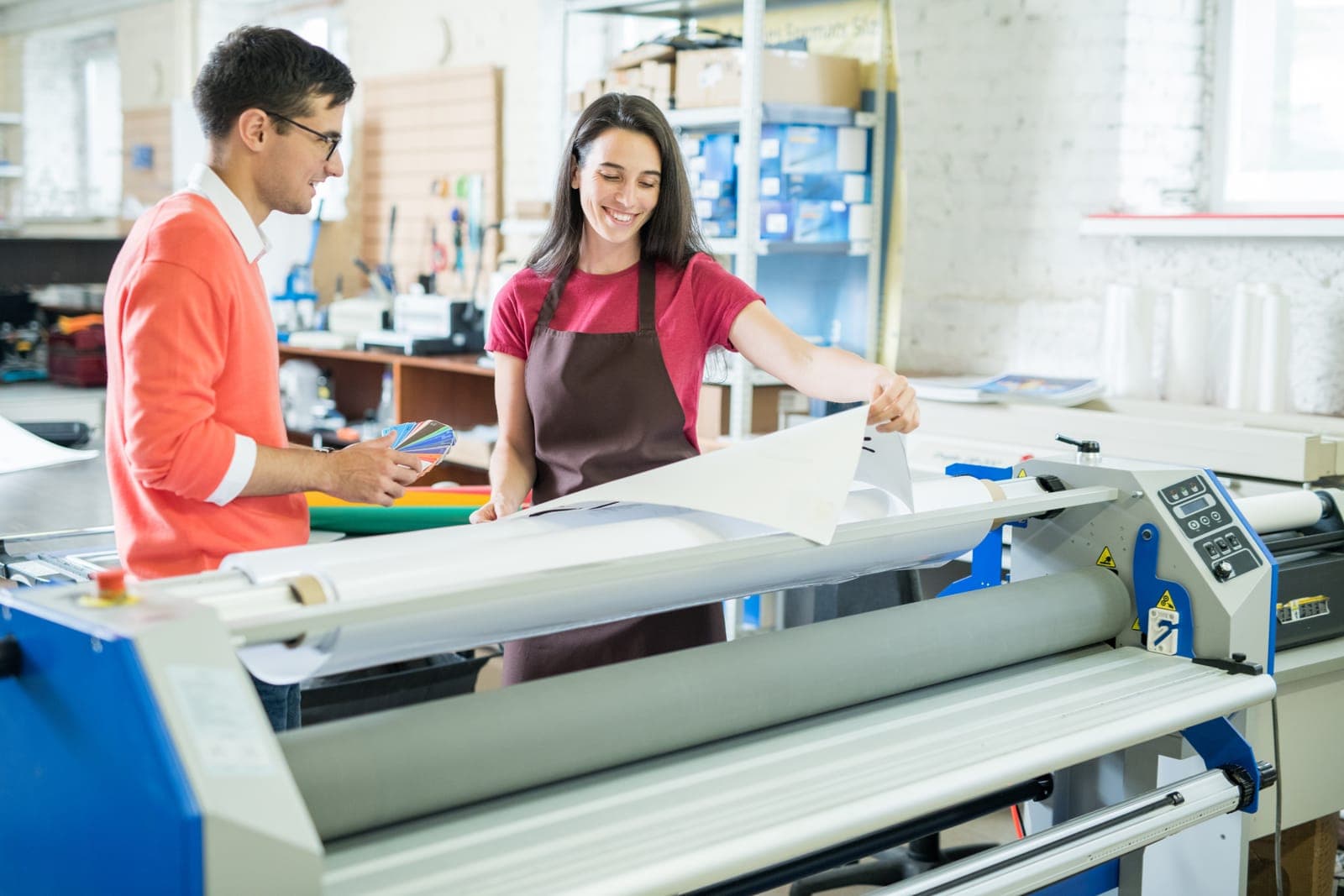
The foil protects against paper's three most common enemies: creases, stains and moisture. Laminated sheets can be wiped clean, survive daily life in kitchens, workshops and school bags, and stay presentable outdoors for a while. We laminate up to DIN A3 — from small cards to notices.
The classics where it pays off
- Menus and price lists: handled daily, often wiped damp — the textbook case.
- Notices and signs: stay readable and don't curl.
- Flashcards and overviews: survive backpacks, kitchen tables and exam stress.
- Instructions and worksheets: for anything used permanently in a workshop or business.
- Everyday documents in heavy use: emergency numbers, timetables, checklists.
By the way: written on with a non-permanent foil pen and wiped clean, a laminated sheet becomes a reusable checklist.
When you should NOT laminate
- Official certificates and original documents: birth certificates, original diplomas and similar documents don't belong in foil — some authorities no longer accept laminated originals because they're harder to verify. When in doubt, ask the office that will need to see the document first.
- Anything that might still change: laminating is final — the foil doesn't come off without destroying the sheet.
- Documents that need folding: foil and folds don't get along.
The smart alternative: scan first, then laminate
For important papers, the best order is: digitize first, then decide. We scan your documents up to DIN A3 — the content is preserved for good, and you can laminate a copy without hesitation while the original stays untouched. Both in one visit: Scanning & Laminating.
In short
Anything handled often or hanging outside: laminate it. Originals and official documents: scan instead of laminating. And if you're unsure — just bring it by, we'll tell you honestly what makes sense.
Send an inquiryFrequently asked questions
What is worth laminating?
Anything handled often or hanging outside: menus, notices, signs, flashcards and checklists. We laminate up to DIN A3.
Can the laminating foil be removed later?
No, laminating is final – the foil doesn't come off without destroying the sheet. If you're unsure: scan first, then laminate a copy.
Should I laminate certificates or diplomas?
Better not: some authorities no longer accept laminated originals because they're harder to verify. Preserve the original as a scan and laminate the copy instead.